Architectural Photography: A Technical Art
(View My Architecture Gallery Here)
In the realm of photography, few genres offer the same blend of technical precision, artistic expression, and visual storytelling as architectural photography. From towering skyscrapers to centuries-old cathedrals, architectural photography allows us to capture the beauty, grandeur, and intricacy of the built environment. However, behind every stunning architectural photograph lies a series of secrets—techniques, tips, and insights—that elevate the ordinary into the extraordinary.
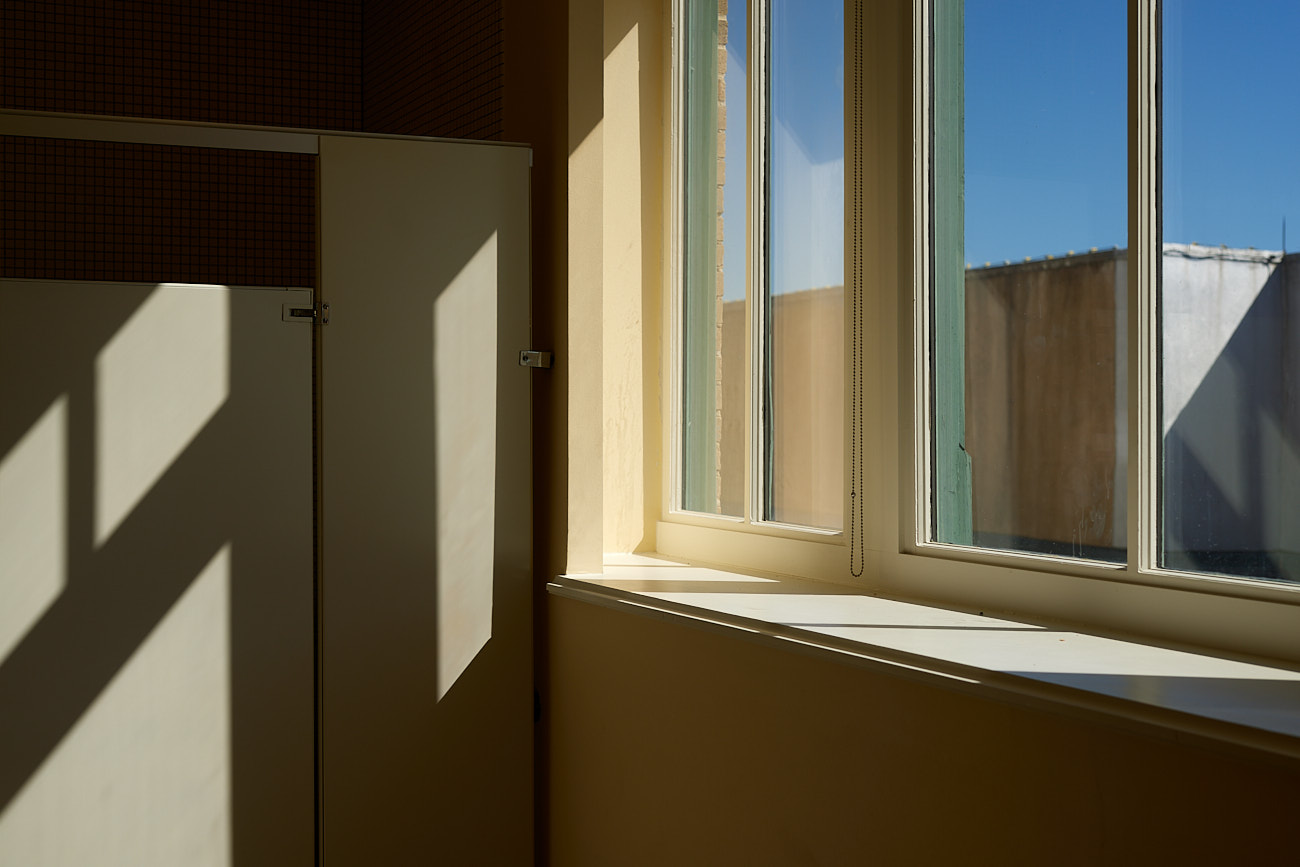
The Interplay of Light, Darkness and Shape Transform This Mundane Space
Capturing the Essence of Place
At its core, architectural photography is about more than just capturing buildings; it goes beyond mere documentation to revealing the essence and character of architectural spaces. Whether showcasing the sleek lines of modern skyscrapers or the timeless elegance of historic landmarks, the key to stunning architectural photography lies in understanding and mastering the interplay between light, composition, and perspective. Consider the context in which the building exists—the surrounding environment, its historical significance, and its cultural relevance. Incorporate elements of the surrounding landscape or urban environment to provide context and convey a sense of place in your photographs. Experiment with long exposures to capture the flow of movement around the building, whether it’s bustling city streets or serene natural landscapes.
Playing with Light and Shadow
One of the most fundamental secrets of architectural photography is the importance of light. Light is the lifeblood of photography, and in architectural photography, it can make or break a shot. The quality, direction, and intensity of light can dramatically alter the mood, atmosphere, and visual impact of architectural photographs. For instance, shooting during the golden hour—the magical moments just after sunrise or before sunset—can bathe buildings in soft, warm light, casting long shadows and creating a sense of warmth and tranquility. Similarly, experimenting with artificial lighting techniques, such as long exposures or light painting, can add drama and dynamism to architectural compositions, transforming mundane scenes into wonderful artistic images.
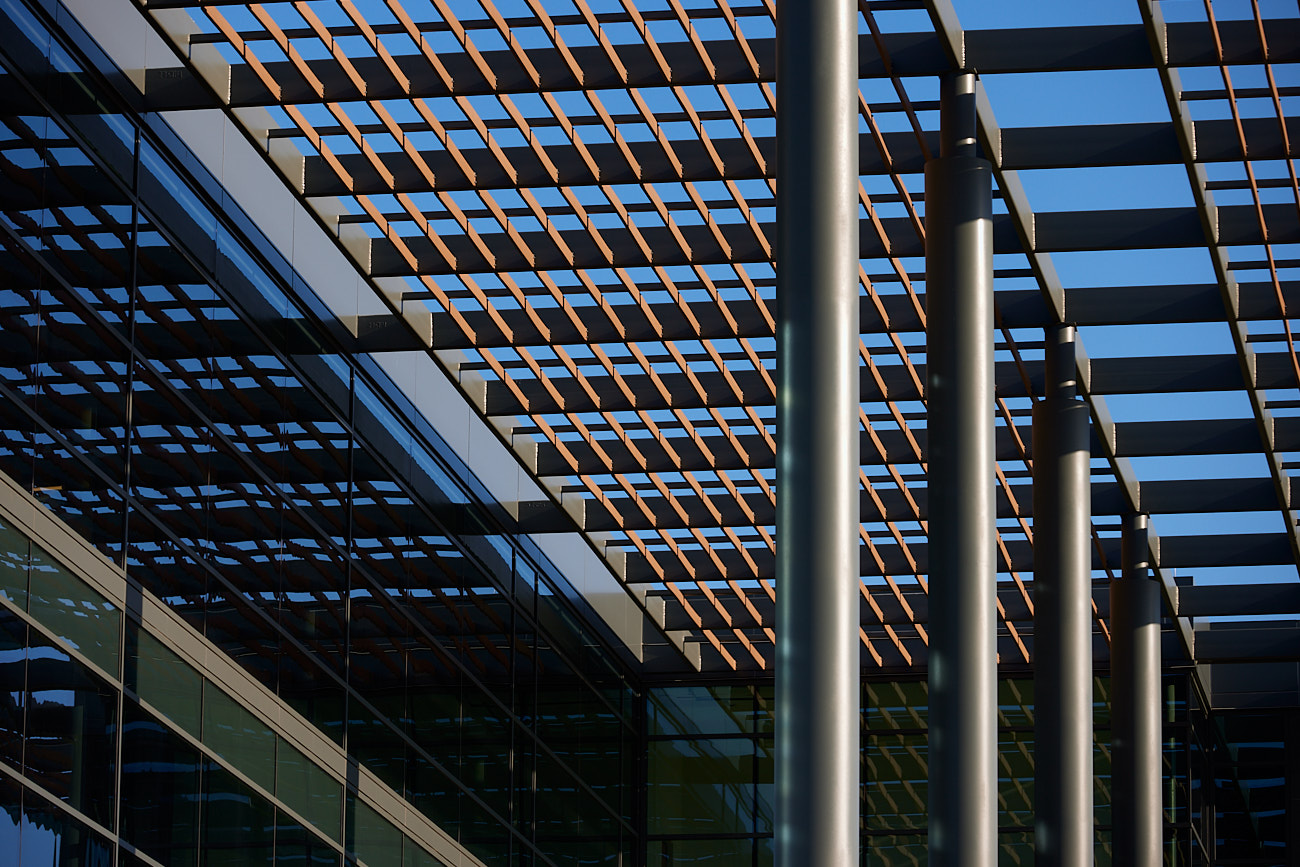
Architectural Detail of Commercial Office Building
Mastering the Art of Composition
In addition to mastering light, architectural photographers must also possess a keen eye for composition. Composition is the art of arranging elements within a frame to create visually compelling and harmonious images. When photographing architecture, composition plays a crucial role in guiding the viewer’s eye, highlighting key features, and creating a sense of balance and symmetry. Leading lines, geometric patterns, and negative space are just a few compositional techniques that architectural photographers use to create striking and memorable images. By carefully considering the placement of elements within the frame, photographers can draw attention to architectural details, emphasize scale and proportion, and evoke emotional responses from viewers.
Experimenting with Perspective
Furthermore, perspective is another secret weapon in the arsenal of architectural photographers. Perspective refers to the relationship between the camera and the subject, and it can profoundly influence the visual impact of architectural photographs. By experimenting with different vantage points and angles—such as low angles, high angles, and bird’s-eye views—photographers can alter the perception of space, create depth and dimension, and imbue their images with a sense of dynamism and drama. Whether capturing the soaring heights of skyscrapers from street level or the intricate details of a cathedral’s ceiling from below, perspective allows photographers to tell compelling stories and evoke powerful emotions through their images.
Kitchen Area in Office Focusing on Repetition, Pattern and Color

Utilizing Perspective Correction
When photographing buildings, perspective distortion can often distort the appearance of vertical lines, resulting in skewed or leaning structures. To ensure accurate and visually appealing compositions, consider using tilt-shift lenses or digital perspective correction tools in post-processing to correct perspective distortion and maintain straight lines.
Focusing on Details and Textures
Architectural photography is all about capturing the intricate details and textures that give buildings their character. Zoom in on interesting architectural elements such as ornate facades, intricate carvings, or weathered textures. Use a tripod and slow shutter speeds to capture fine details with clarity, ensuring sharpness throughout the image.
Refining with Post-Production Techniques
Moreover, post-processing techniques play a crucial role in refining and enhancing architectural photographs. From adjusting exposure and contrast to fine-tuning colors and sharpening details, post-processing allows photographers to fine-tune their images and bring out the full potential of their architectural compositions. However, it’s essential to exercise restraint and moderation when editing architectural photographs, as excessive manipulation can detract from the authenticity and integrity of the original scene. Instead, photographers should strive to use post-processing tools judiciously, enhancing the natural beauty of architectural spaces while preserving their inherent character and charm.
Visualizing The Built Environment
The secrets of stunning architectural photography are rooted in a deep understanding of light, composition, perspective, and post-processing techniques. By mastering these fundamental principles and techniques, photographers can unlock the full potential of architectural photography, capturing the beauty, majesty, and spirit of architectural spaces in breathtaking detail. Whether shooting towering skyscrapers or ancient monuments, the art of architectural photography offers endless opportunities for creativity, exploration, and expression, inviting viewers to see the world through a new lens—one that reveals the hidden beauty and wonder of the built environment.